
7th Annual Holiday Toy & Book Event Help make the holidays brighter this year!
USS Hornet Shipwreck Found Deep Underwater Highlights WWII Naval History
Guest Contributor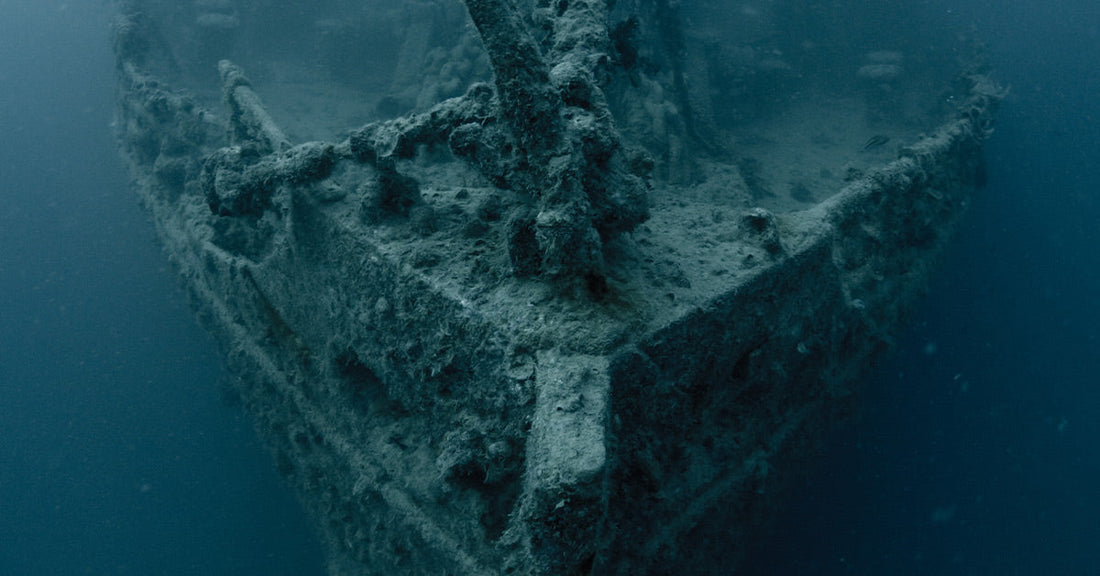
Seventy-seven years after it vanished beneath the waves of the South Pacific, the USS Hornet has finally been found. Resting 17,500 feet underwater, the World War II-era aircraft carrier was located by the R/V Petrel, a deep-sea research vessel funded by the late Microsoft co-founder Paul Allen. This remarkable discovery not only sheds light on a pivotal chapter of naval history but also highlights the power of modern underwater technology in preserving and honoring the past. For those interested in World War II shipwrecks and deep sea exploration, this find is both moving and momentous.

The USS Hornet was a vital part of the U.S. Navy’s operations during World War II, most famously for launching the Doolittle Raid—the first American airstrike on the Japanese mainland. Commissioned just two months before the attack on Pearl Harbor, the Hornet quickly became a symbol of resilience and determination. Built by the Newport News Shipbuilding Company in 1939, it carried B-25 bombers that struck key Japanese cities including Tokyo, Yokosuka, Kobe, and Nagoya. These missions provided a critical morale boost to the American public at a time when confidence in the war effort was still fragile.

According to the expedition team, the Hornet was found during the first dive mission of the Petrel’s autonomous underwater vehicle. The team’s success was made possible by meticulous research, drawing from naval archives, official deck logs, and action reports. By plotting sightings and positions from nine other U.S. warships involved in the same battle, they were able to generate a precise search grid. The discovery was confirmed through high-resolution video footage captured by the Petrel, offering a haunting glimpse of the ship’s final resting place.
Imagery from the site reveals extensive damage to the Hornet’s hull, likely inflicted during its final hours. After sustaining critical hits from Japanese torpedoes in 1942, the ship was abandoned and eventually sank. However, before the Japanese forces reached it, American gunships Mustin and Anderson reportedly fired 400 five-inch shells into the Hornet to prevent it from falling into enemy hands. One of the more poignant details captured in the footage is an International Harvester tractor still standing upright in the hangar, a silent testament to the ship’s operational past.
The R/V Petrel has become known for uncovering some of the most historically significant shipwrecks lost during wartime. In 2018, it located the USS Lexington, another aircraft carrier lost during the Battle of the Coral Sea. These discoveries are not just triumphs of technology but also of historical preservation. I found this detail striking: despite being located in international waters, the USS Hornet remains U.S. property under the Sunken Military Craft Act. This law ensures that such wrecks cannot be disturbed without permission from the U.S. Navy, a necessary safeguard given that many Pacific war wrecks have previously been looted or sold on the black market.
The exact coordinates of the Hornet’s location have not been publicly disclosed. This decision is rooted in a desire to protect the site from potential exploitation. The wreck is more than just a relic; it is a war grave and a symbol of the sacrifices made during the most devastating conflict in modern history. By keeping its location confidential, the expedition team honors the memory of those who served aboard and ensures the site remains undisturbed.
What makes this story particularly compelling is the intersection of history and cutting-edge technology. The R/V Petrel’s ability to descend three miles below the ocean’s surface and capture detailed imagery illustrates just how far deep-sea exploration has come. These technological advancements allow us to revisit and document stories that were once thought to be lost to time. They also serve as powerful educational tools, helping new generations understand the realities of war and the bravery of those who lived through it.
While the USS Hornet may have disappeared from sight for decades, its legacy never faded. Thanks to the efforts of Paul Allen’s Vulcan Inc. and the dedicated researchers aboard the R/V Petrel, a crucial piece of World War II history has been brought back into the light. The discovery is not only a triumph of exploration but also a solemn reminder of the enduring human cost of conflict. As we continue to uncover these submerged chapters of our past, we are reminded of the importance of remembrance, respect, and responsible stewardship of our shared history.
