
The Titanic Band’s Courageous Final Performance Amid the Sinking Disaster
Guest Contributor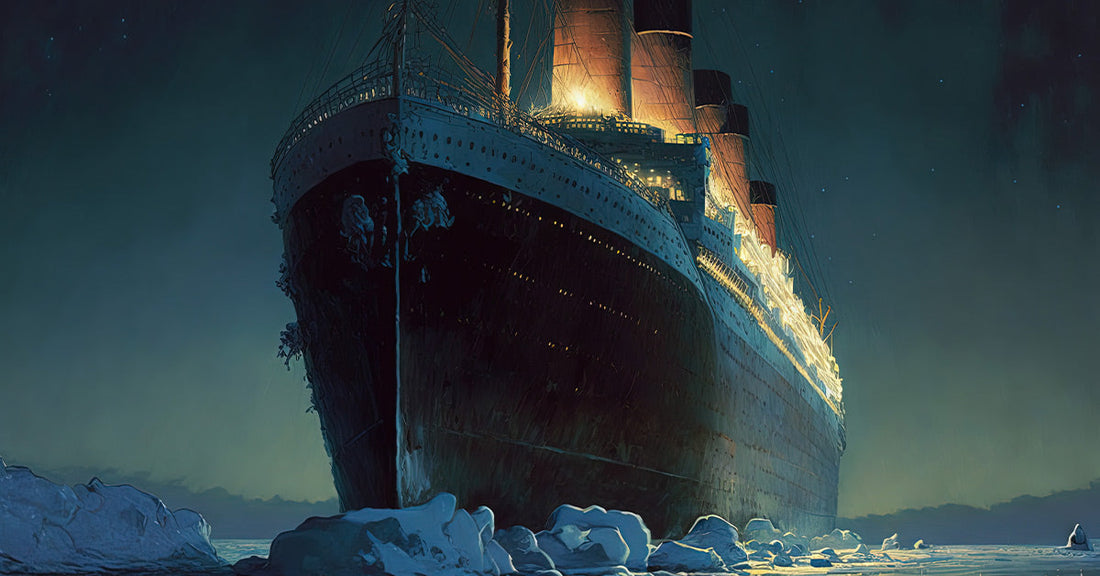
In the early hours of April 15, 1912, as the RMS Titanic slipped beneath the icy waters of the North Atlantic, a haunting and powerful image imprinted itself on the memories of survivors: the ship's band playing music amid the chaos. The story of the Titanic band, which continued to perform as the ship sank, has become one of the most enduring and poignant aspects of the maritime disaster. Their quiet heroism offered a measure of solace to passengers during the ship’s final moments, and their legacy continues to resonate more than a century later.
The Titanic's musicians had boarded the ship just days earlier, on April 10, 1912, in Southampton, England. Employed by the Liverpool-based agency C.W. and F.N. Black, the eight men were tasked with entertaining passengers aboard the vessel’s maiden voyage to New York City. The group included Wallace Hartley, the bandleader and violinist from Lancashire; Theodore Ronald Brailey, a pianist from Walthamstow; John Law Hume, a Scottish violinist; bassist John Frederick Preston Clarke; French cellist Roger Marie Bricoux; Belgian violinist George Alexandre Krins; pianist Percy Cornelius Taylor; and cellist John Wesley Woodward.
They were a diverse group, united by their musical talents and professional dedication. Hartley, who had previously performed on several Cunard liners, hoped the Titanic job would advance his career. Hume left behind a pregnant fiancée, while Woodward had planned to retire from sea life after this voyage. Their collective experience and passion for music made them a well-regarded ensemble on board, particularly among first-class passengers who could request favorites from a book of over 350 songs.
According to survivor accounts, the band began performing shortly after the Titanic struck an iceberg at 11:40 p.m. on April 14. As panic set in and lifeboats were lowered, the musicians played to maintain calm. Their presence reportedly helped reduce hysteria and provided a sense of normalcy amid the growing terror. One survivor, Archibald Gracie, described the playing as a “wise provision tending to allay excitement.”
What the band played in their final moments remains a subject of debate. Some witnesses recalled the hymn “Nearer, My God, to Thee,” while others mentioned a piece called “Autumn.” Gracie himself did not recognize the tunes but noted they were cheerful and not hymns, suggesting the musicians intentionally avoided songs that might incite fear. Regardless of the specific melody, the music left an indelible impression. One survivor recalled how the hymn’s serene strains mingled with the cries of those in the freezing water, creating a “symphony of sorrow.”
As the ship’s bow dipped beneath the surface, Hartley was reportedly seen clinging to the Grand Staircase railing, bidding farewell to his fellow musicians. None of the eight band members survived. Their final act was one of selfless courage, choosing to comfort others rather than seek their own safety. I found this detail striking — that in the face of certain death, they turned to their instruments, offering music as their final gift to the world.
In the aftermath, only three of the musicians’ bodies were recovered: Hartley, Clarke, and Hume. Hartley’s body was found with his violin still strapped to him — a symbol of his unwavering commitment to his art and duty. He was returned to his hometown of Colne, Lancashire, where a public funeral drew thousands. Clarke and Hume were buried in Halifax, Nova Scotia, alongside many other Titanic victims. The remains of Brailey, Bricoux, Krins, Taylor, and Woodward were never found.
The Titanic band’s legacy has been preserved through memorials in Southampton, Nova Scotia, and Australia, as well as in cultural portrayals, most famously in James Cameron’s 1997 film “Titanic.” Their story continues to inspire, reminding us of the profound impact of grace and courage under unimaginable pressure. In Hartley’s own words, “when men are called to face death suddenly, music is far more effective in cheering them on than all the firearms in creation.”
The story of the Titanic band is not only a testament to the power of music in times of crisis but also a reflection of human dignity in the face of disaster. Their decision to play on, even as the ship descended into darkness, remains one of the most moving chapters in the history of the Titanic.
